French Drain Installation, Repair and Replacement

Share this page on:

The French drain in your residence must be functional and accessible at all times.

You notice something is wrong:

    • You've seen white powder (efflorescence) at the base of the concrete walls in your basement;
    • Water pooling on the floor along the walls or even across the entire floor;
    • A long damp patch where the wall meets the concrete slab or at the bottom edge of the drywall covering the concrete, and even mold;
    • If you have to repaint your "cement" floor every year because the paint starts to peel shortly after being applied;
    • Is your concrete floor constantly sweating in places?

Of course, THIS IS NOT A GOOD SIGN!

Letting things slide is not without its consequences. It leads to the deterioration of the concrete, the persistence of a moisture problem in the basement that could endanger your family's health and damage the belongings stored there. Furthermore, it results in a loss of the house's market value.

Under these conditions, a homeowner wishing to sell their property will have more difficulty. The buyer will want to extract compensation unless they pursue the homeowner after the purchase for a hidden defect. It's best to address this immediately.

However, a 20- or 25-year-old drain is expected to be showing signs of wear. This must be taken into account. Efflorescence and traces of dampness or mold at the base of the walls are usually warning signs. Is your drain clogged with roots, gravel, silt, or iron ochre?

In any case, if there are obvious signs, you should quickly contact a drainage company that has expertise in this area. Not necessarily for a major project to replace the entire drain, but first, to have them perform an internal inspection of the French drain and guide you through the process.

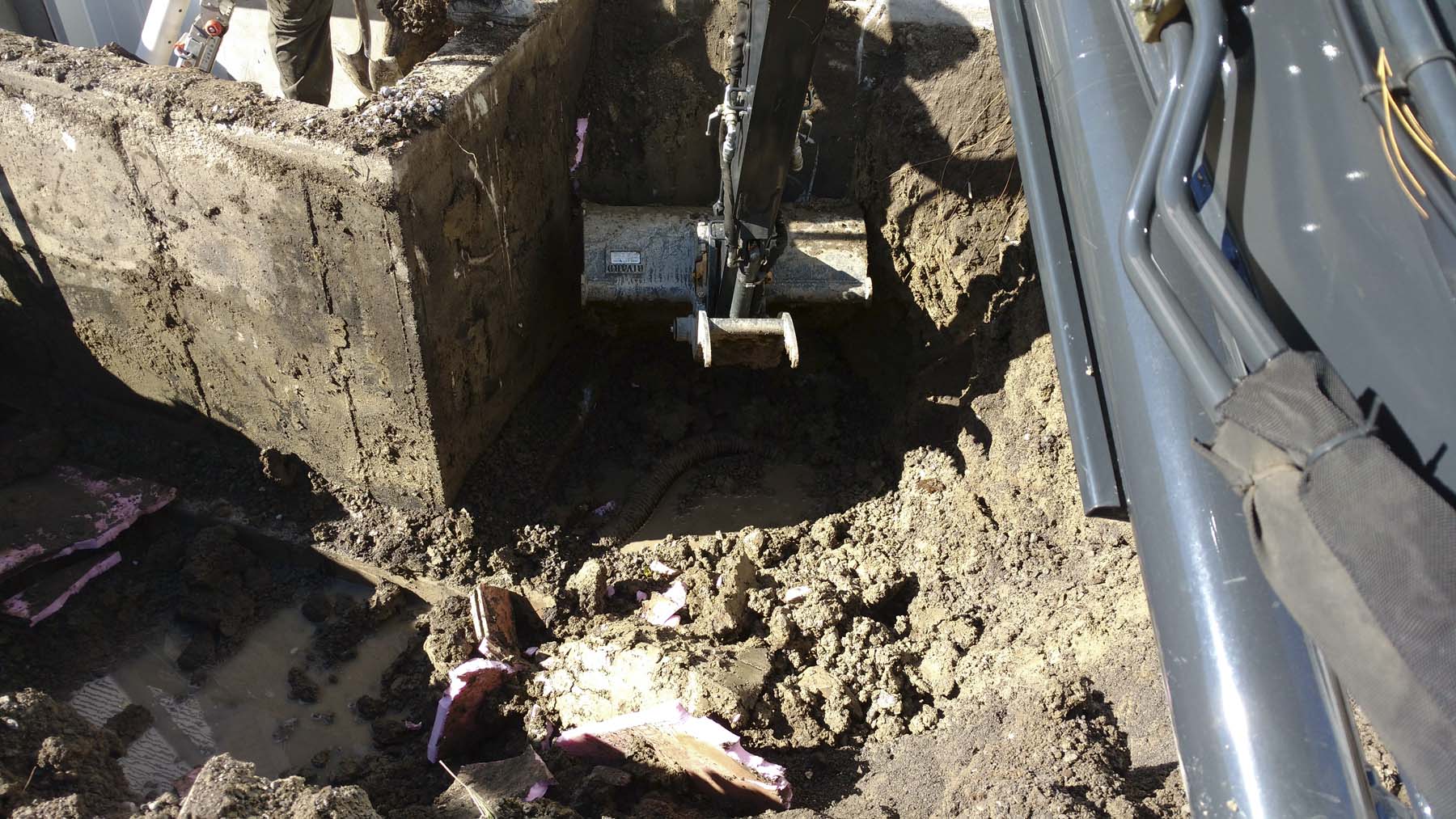
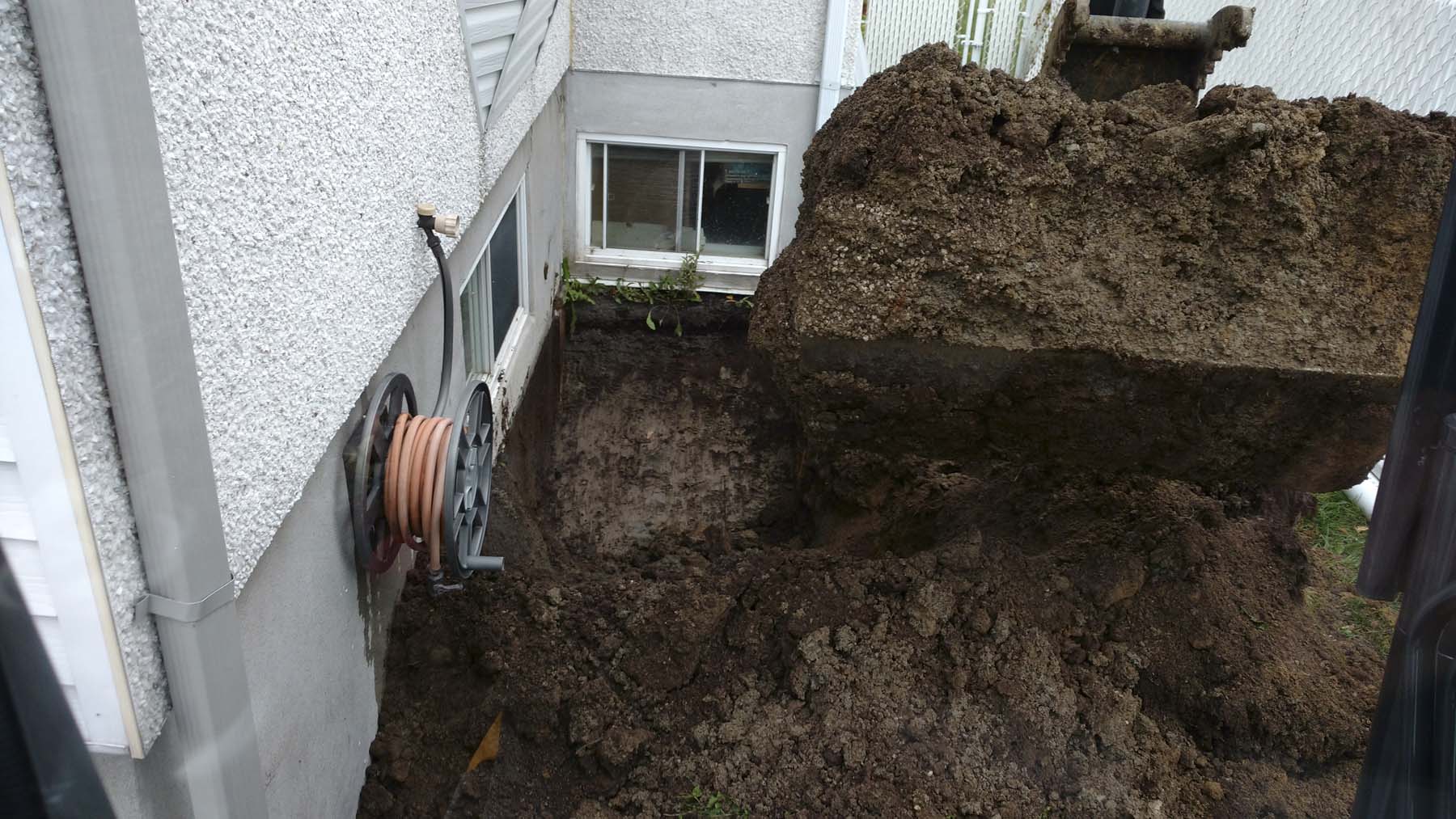
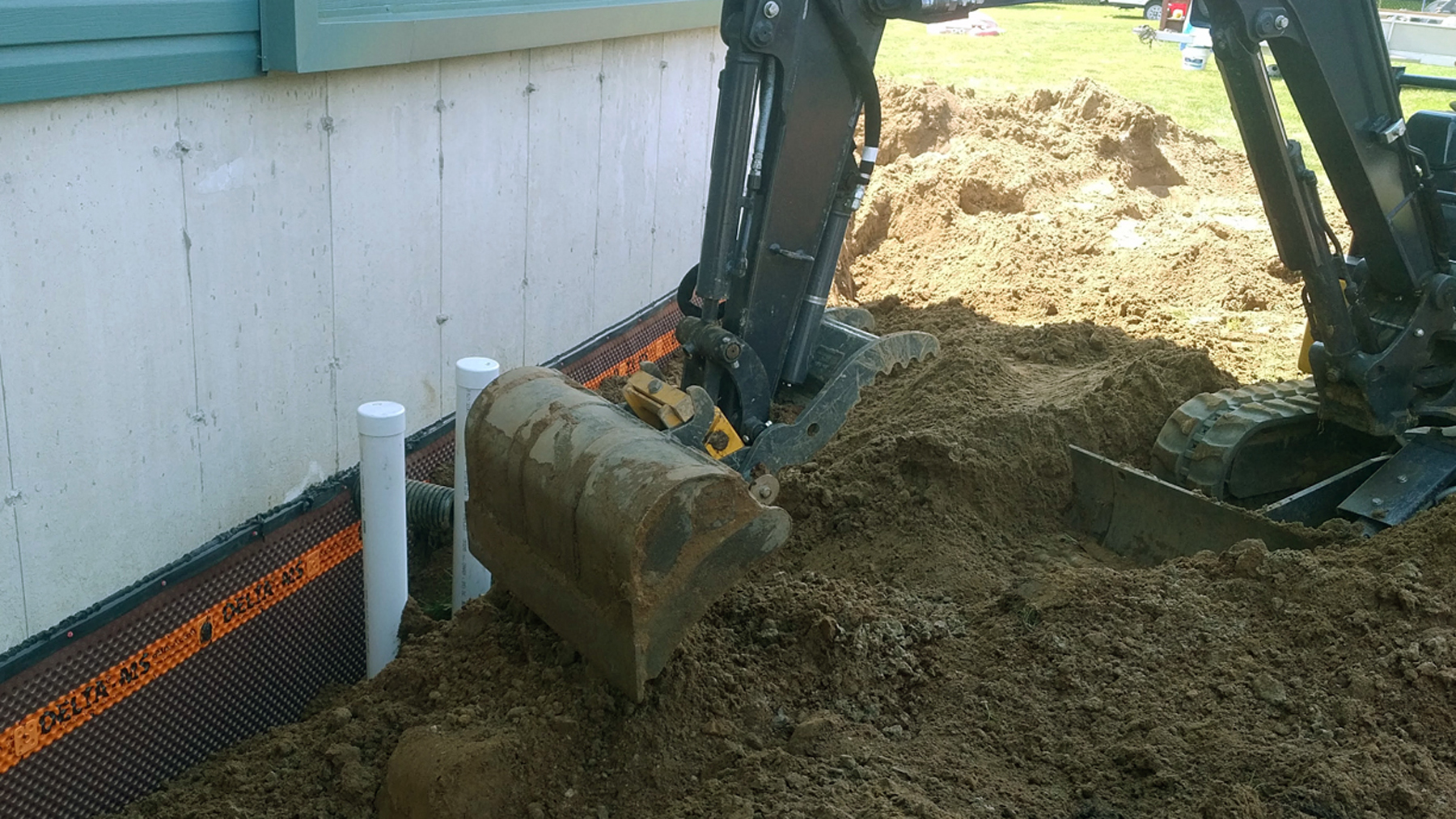
If the entire perimeter of the house needs to be excavated and rebuilt, this will require more extensive work. You should entrust this work to specialists like us, who will be able to meet your needs and resolve your problems once and for all.


Foundations — French Drains

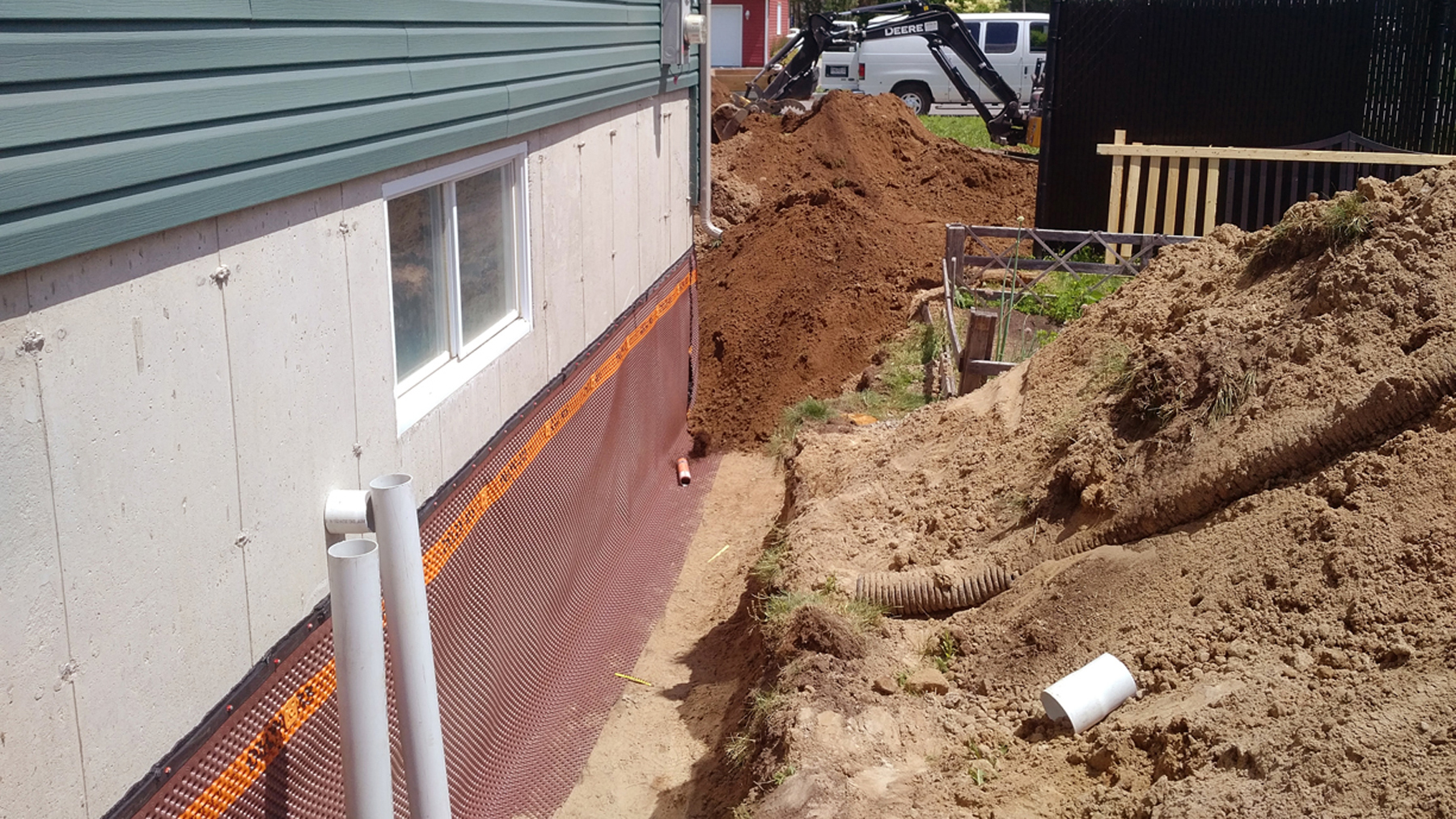
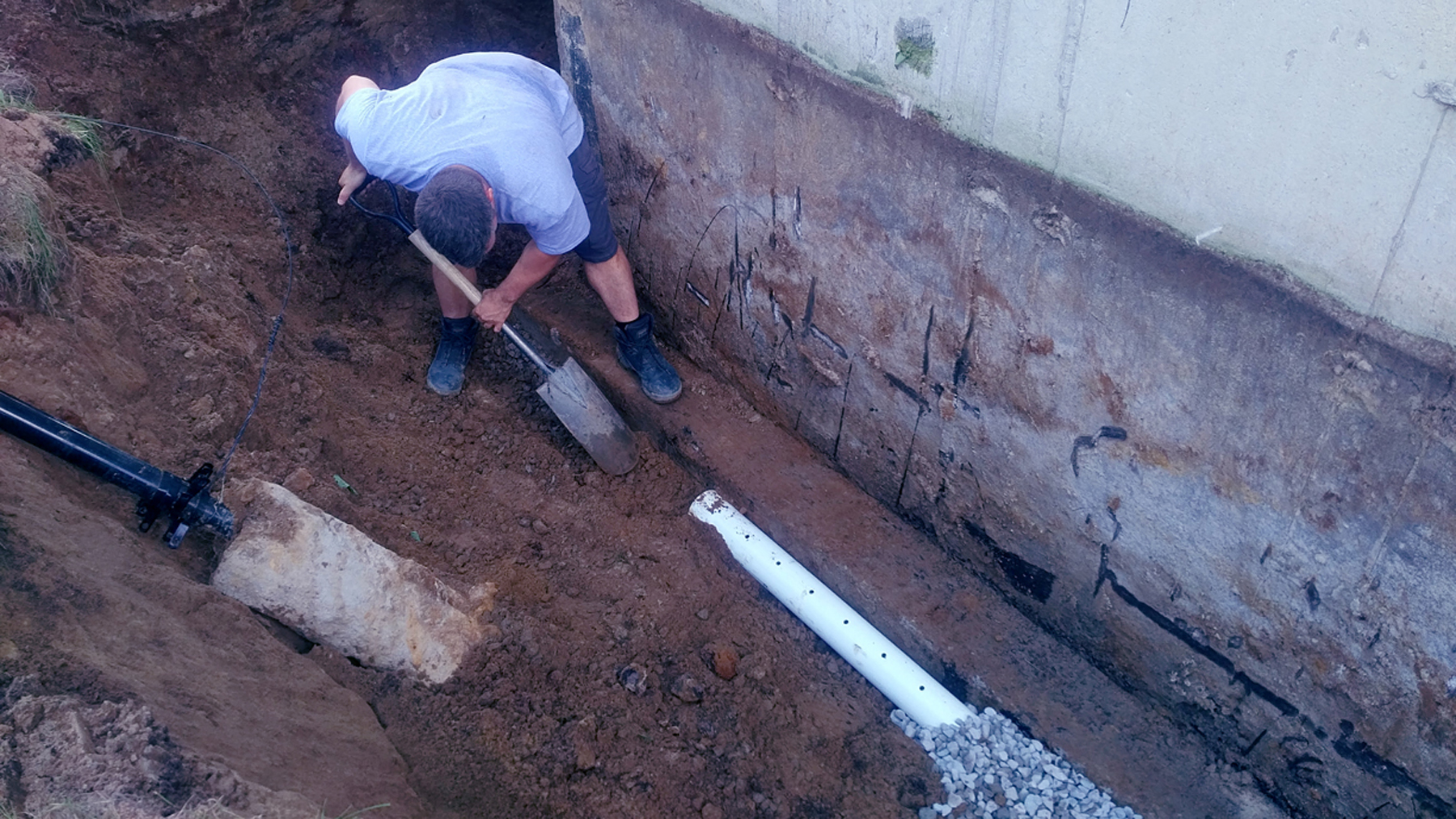
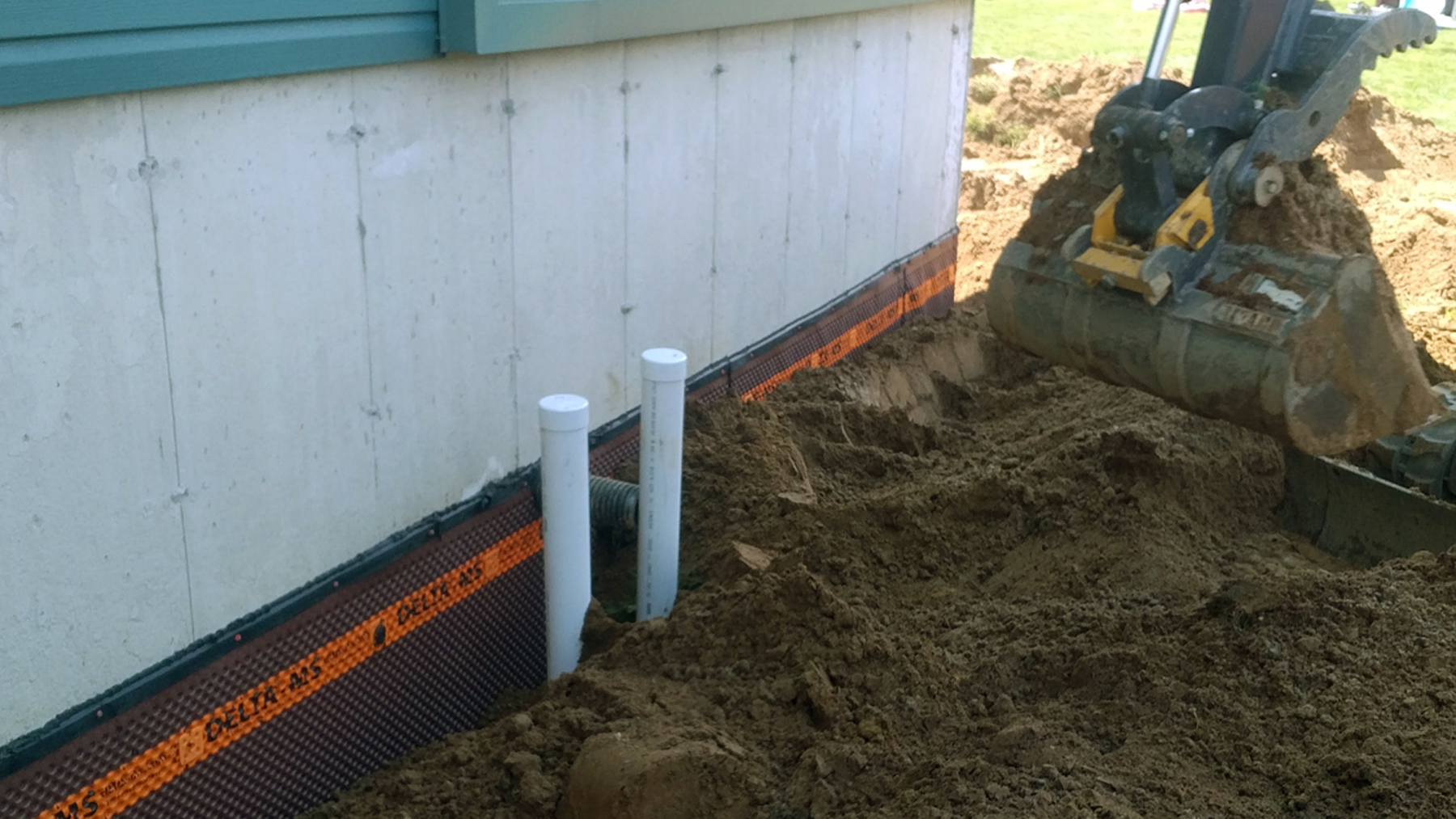
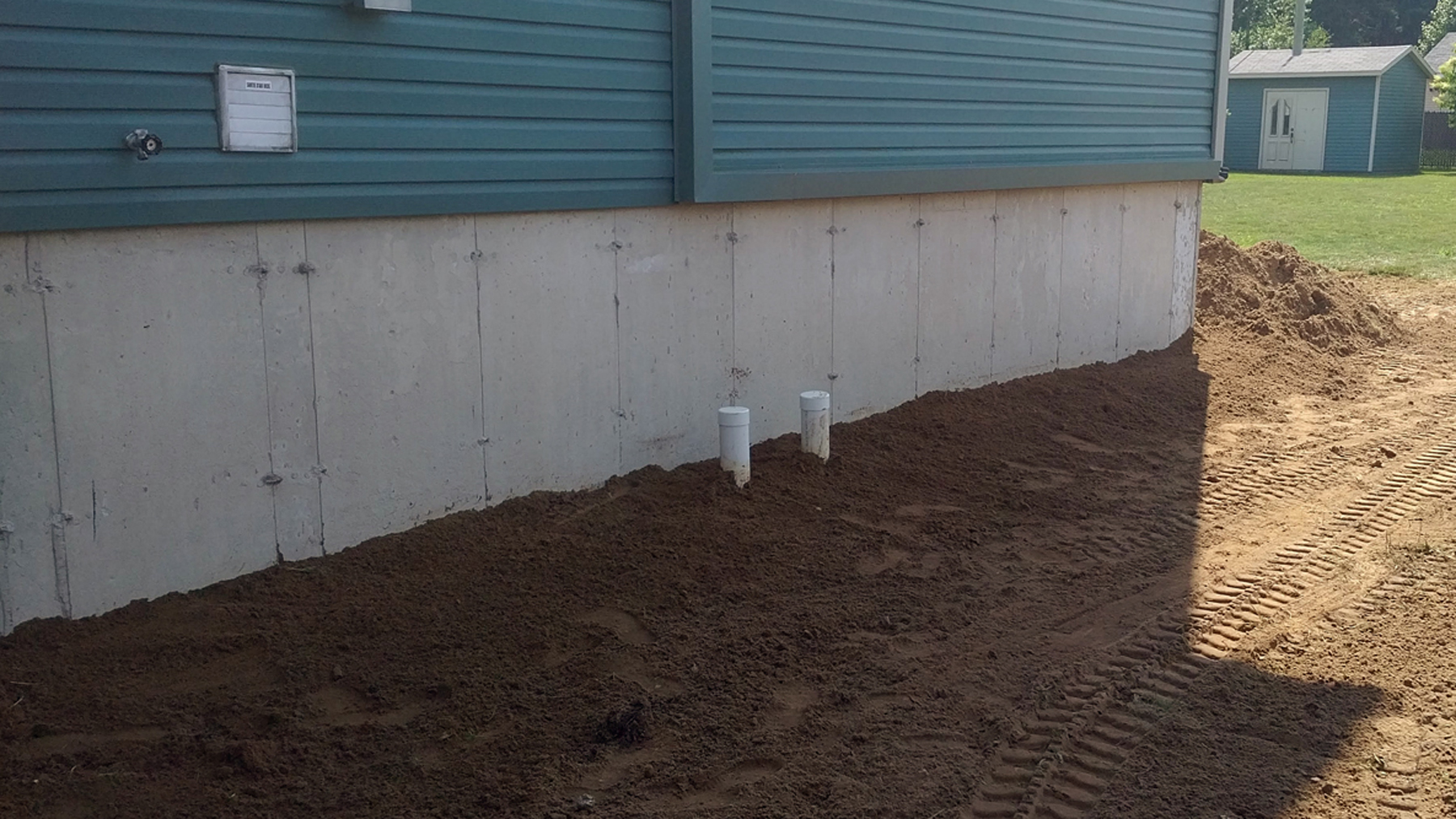
Installing a perimeter drainage system around the foundation is the first step in eliminating basement dampness problems.

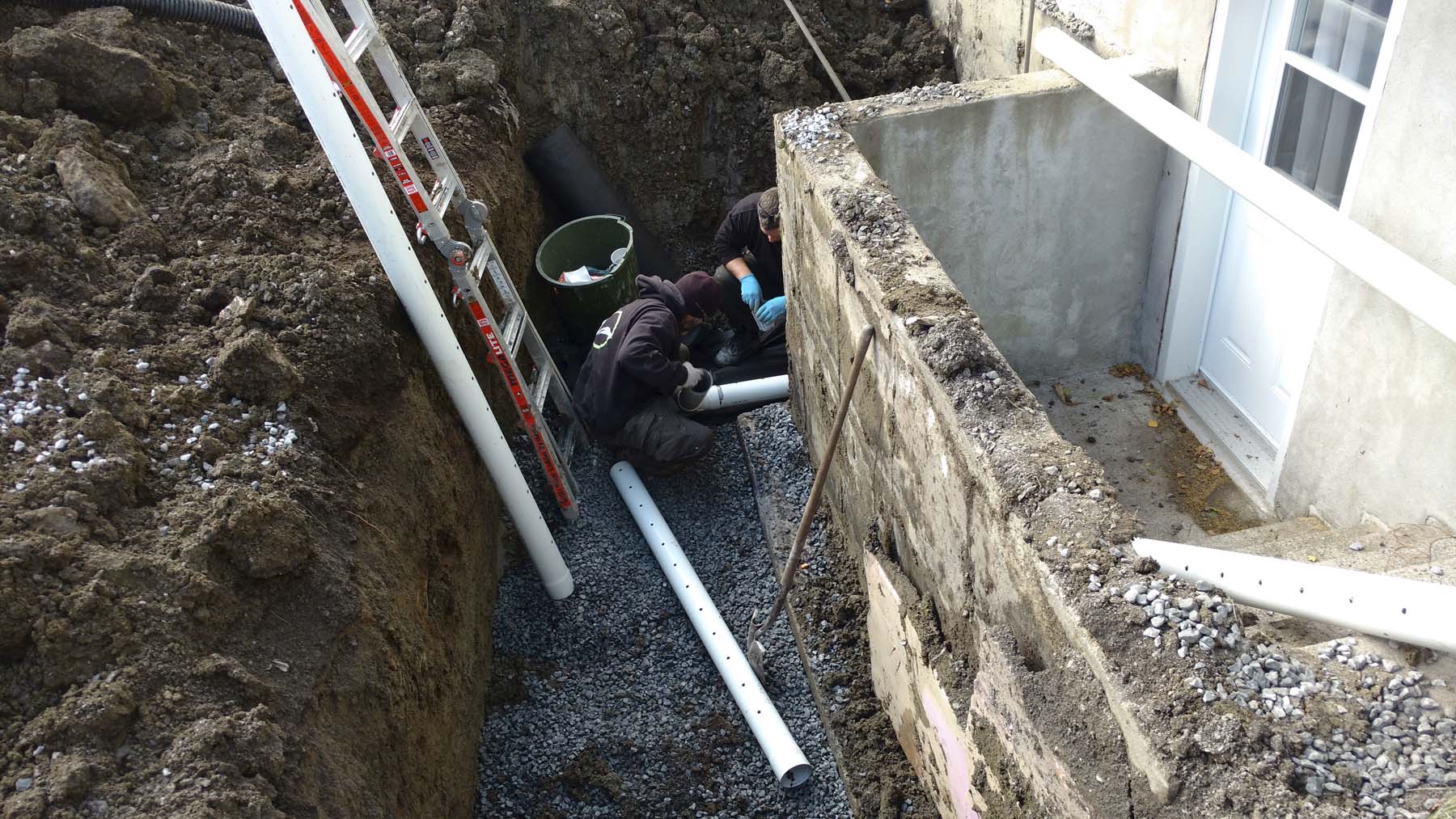
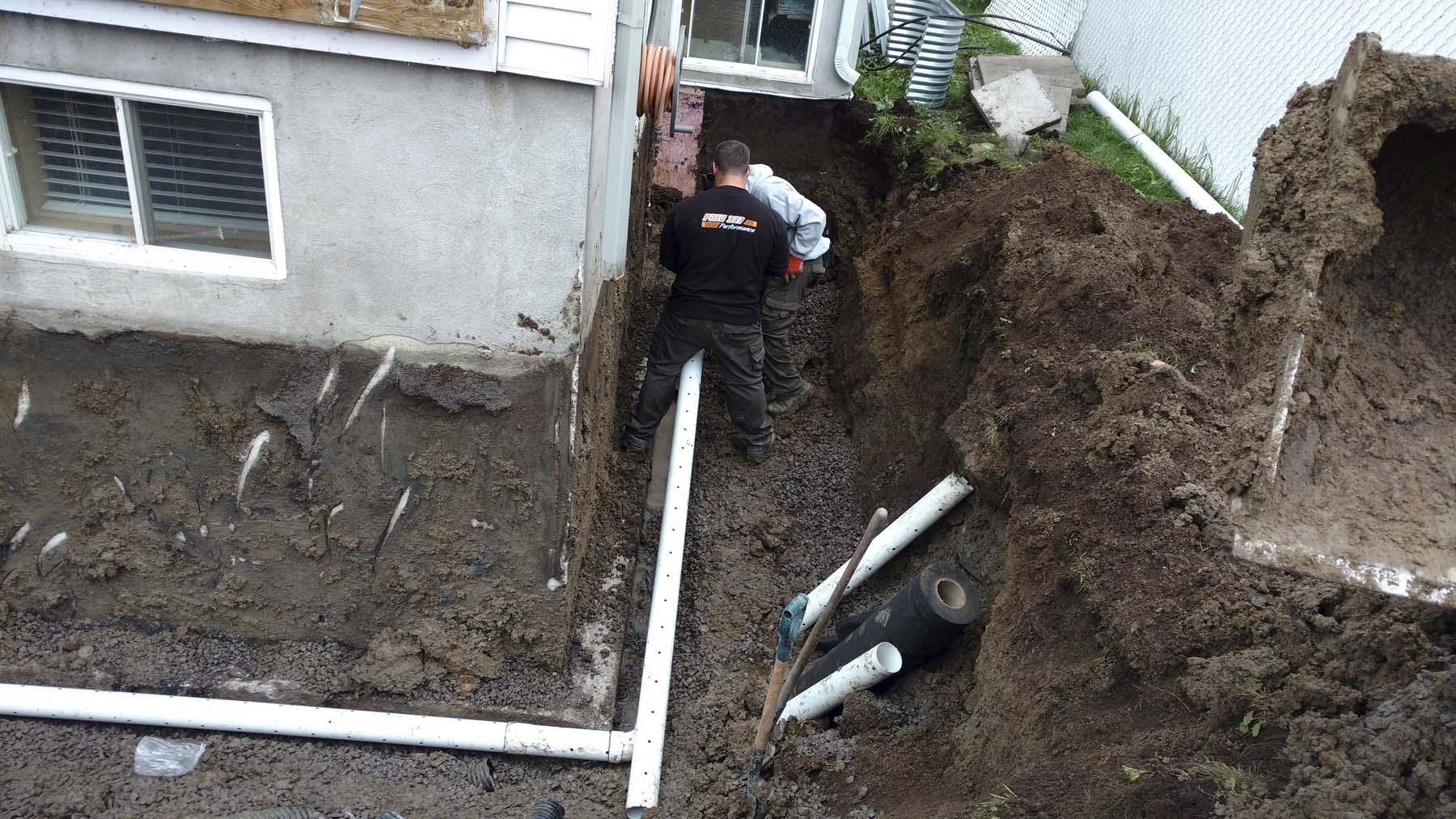
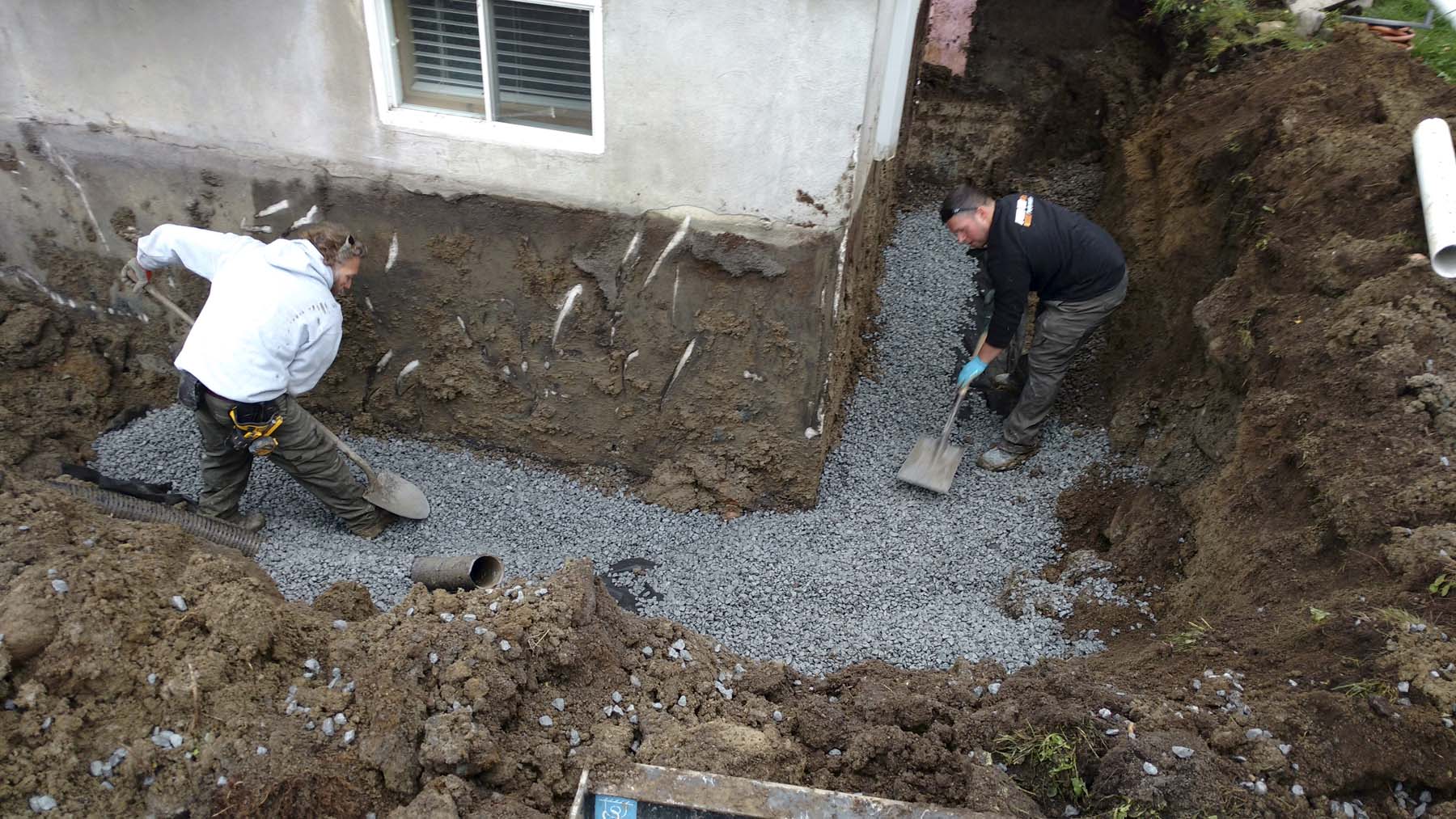
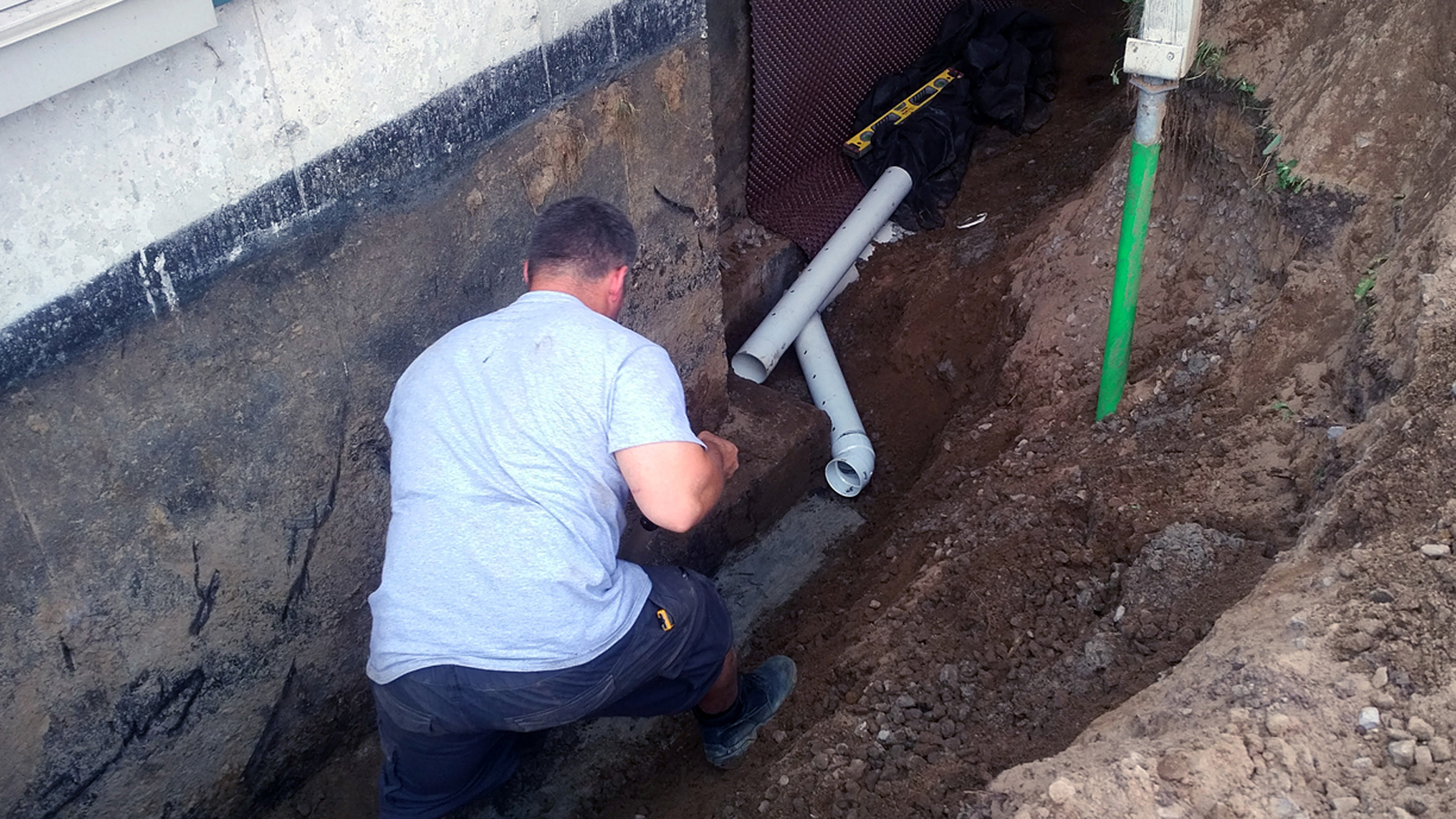
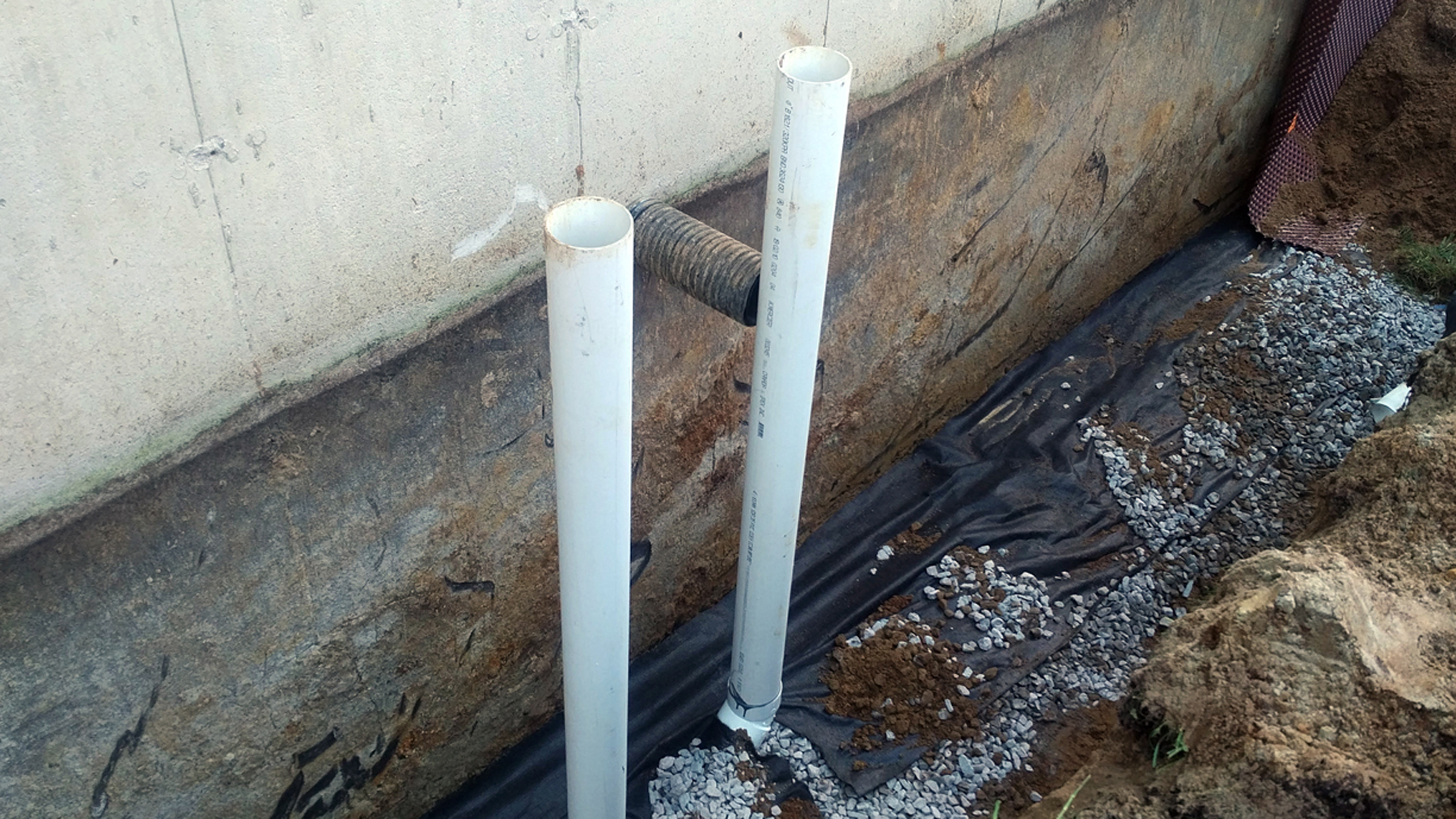
Perimeter drains, commonly known as French drains, must have a minimum diameter of 4 inches (100 mm) and be covered on the sides and top with at least 6 inches (150 mm) of crushed stone.

Furthermore, the top of the drain must be below the underside of the basement slab.

The APCHQ (Quebec Provincial Association of Home Builders) considers this Code requirement illogical, as it allows a significant amount of water to remain under the slab. This is one of the causes of high humidity levels. Therefore, it is recommended to install the drain at the base of the footings.

In addition, the drains must carry the captured water to a sewer, ditch or soakaway.


Measures to improve drainage

In addition to the requirements of the NBC-MQ "National Building Code", the following recommendations for drain installation should be followed:

  • Place the drain on undisturbed or well-compacted soil.
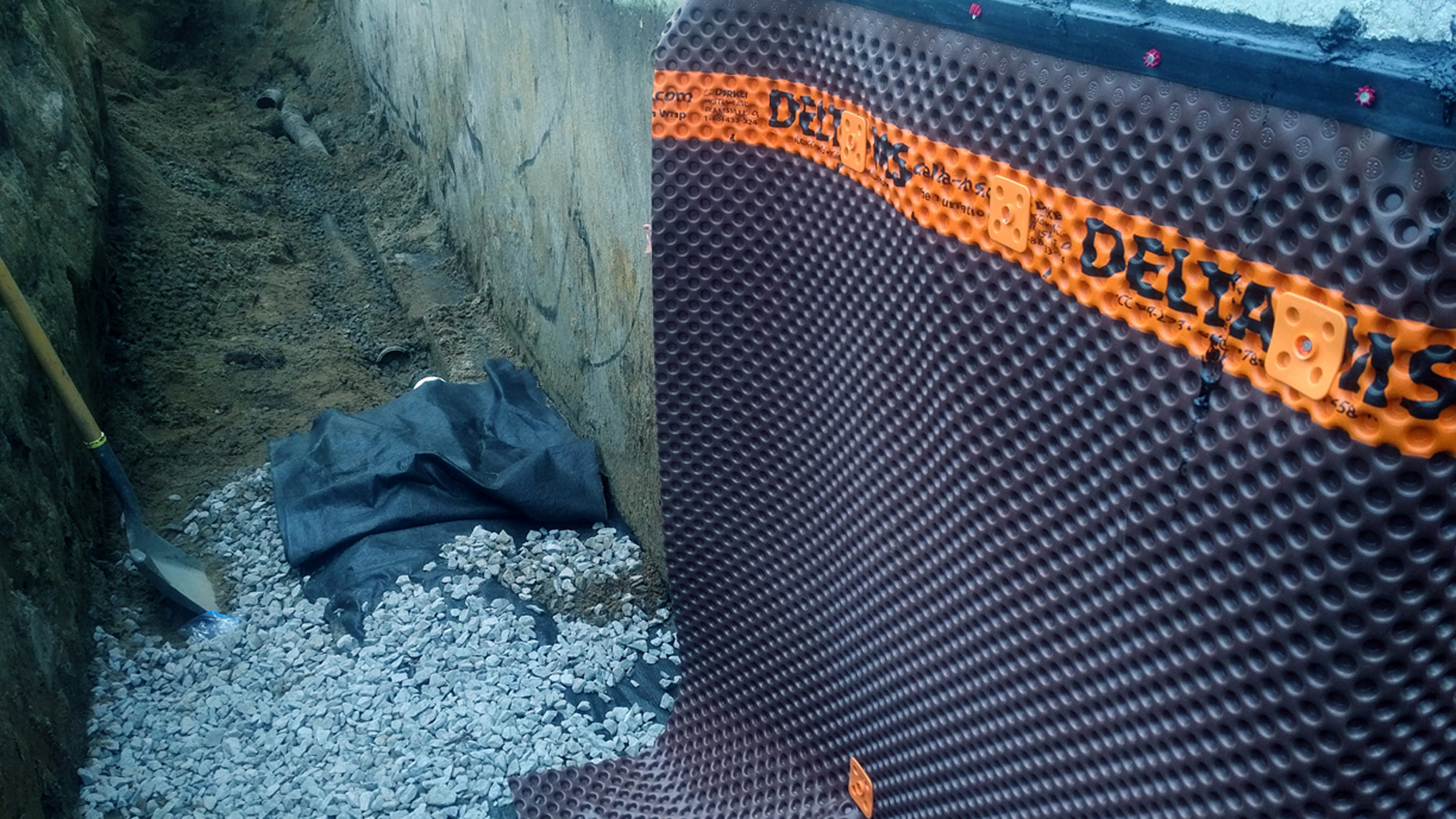
  • When the backfill particles are fine, they can be carried through the crushed stone and clog the drain. In this case, it is recommended to cover the crushed stone, not the drain, with a geotextile membrane.
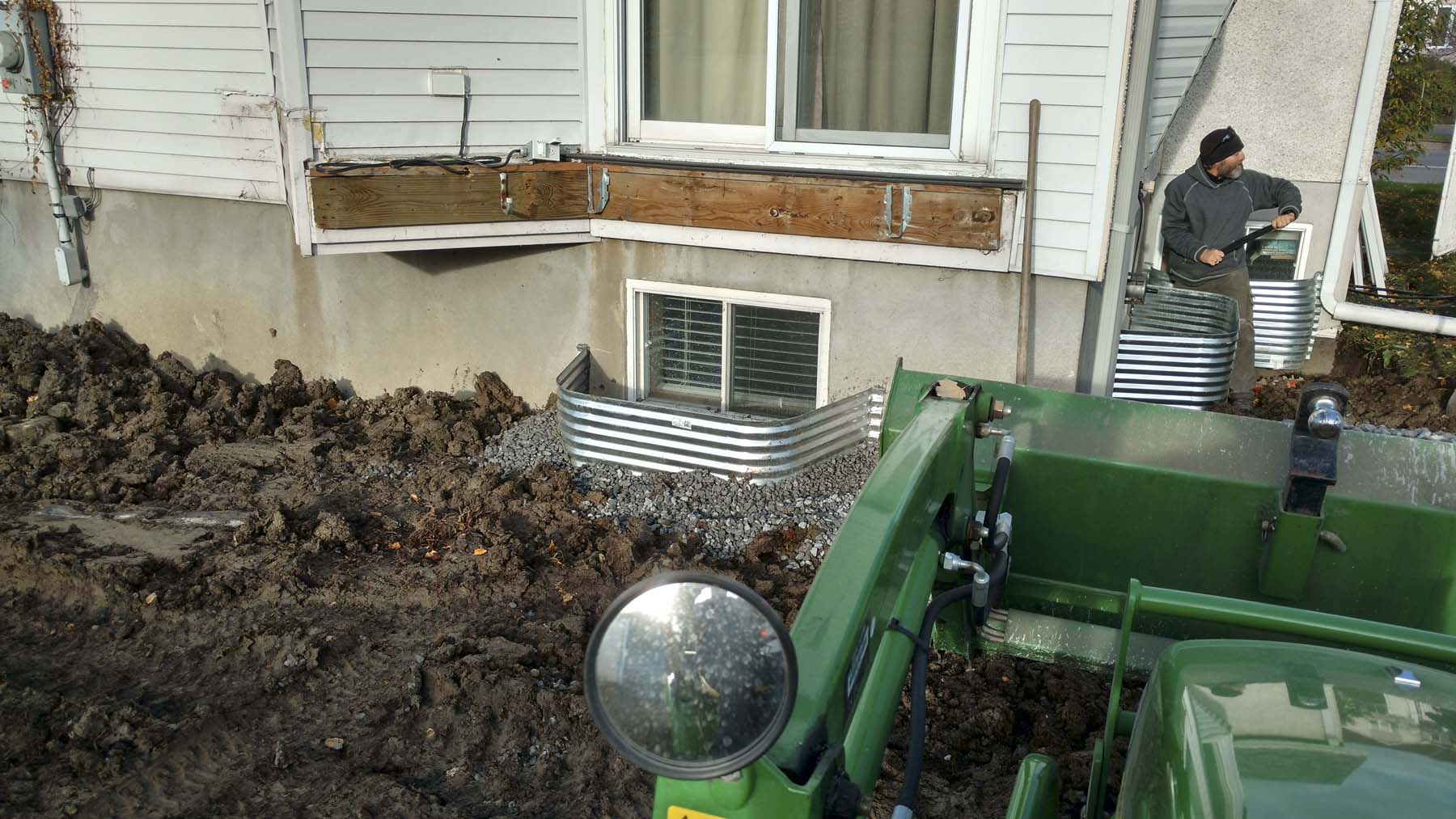
  • If the stone is leveled using a mini-tractor, the thickness of crushed stone over the drain will likely not meet Code requirements. Therefore, once the sealing bitumen is complete, the crushed stone should be raised with a shovel to ensure that the drain is completely covered with gravel up to 6 inches (150 mm) above the footing.

For your drainage work around the perimeter of foundations

  • Expert report
  • Competitive price
  • Courteous services
TO TOP
logo GS Dubois
RBQ License: 5720 9694 01

Administrative address


1573 Rawlinson Ave.
Mascouche, QC J7L 1X7

APCHQ

Quebec Association of
Construction and Housing Professionals
Member : 556272 03 2000

Follow us on

© 1995 - 2026, All rights reserved: GS Dubois