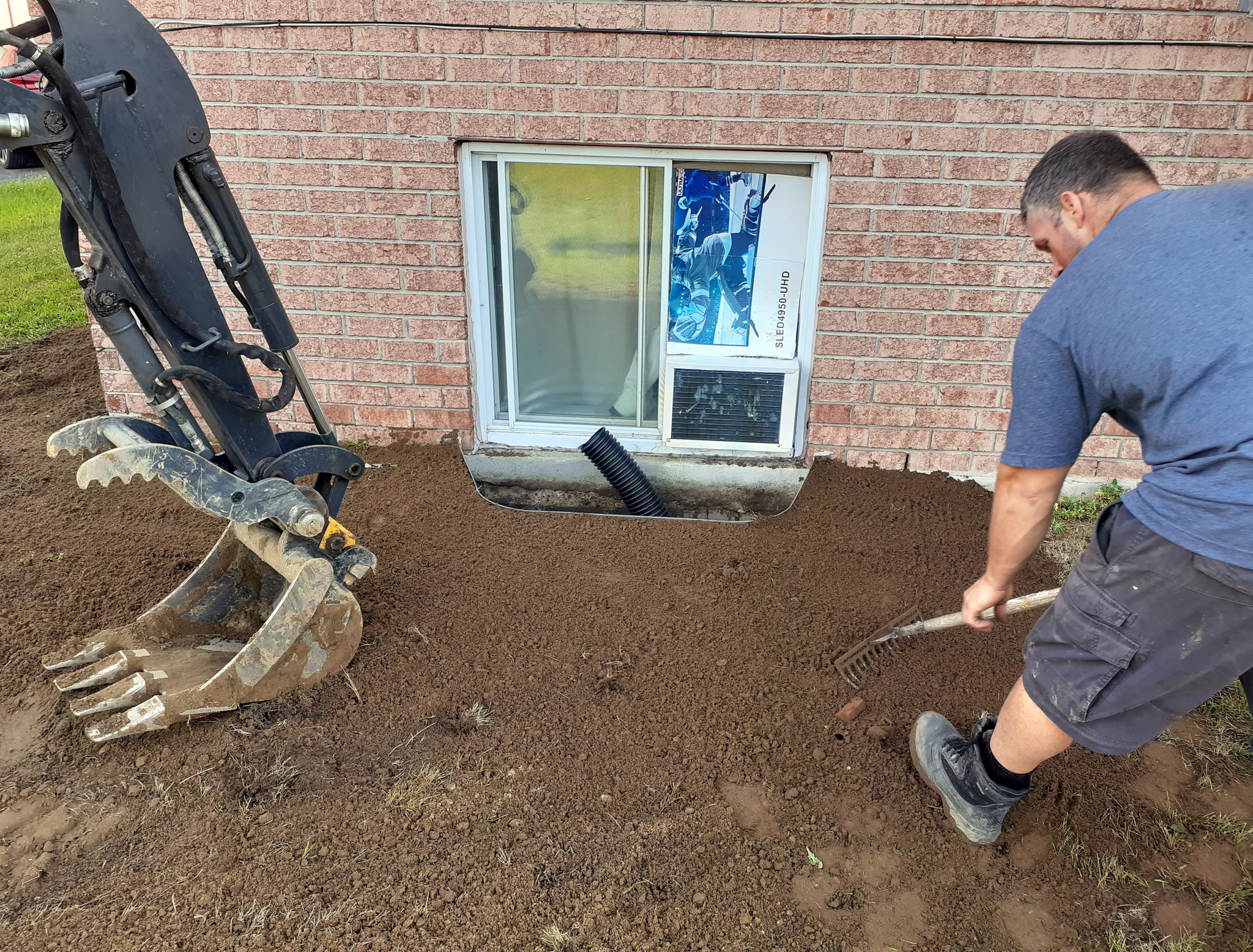
To prevent water infiltration through basement windows, it's important to leave a clearance of approximately 150 mm (6 inches) between the finished ground level and the bottom of the window.
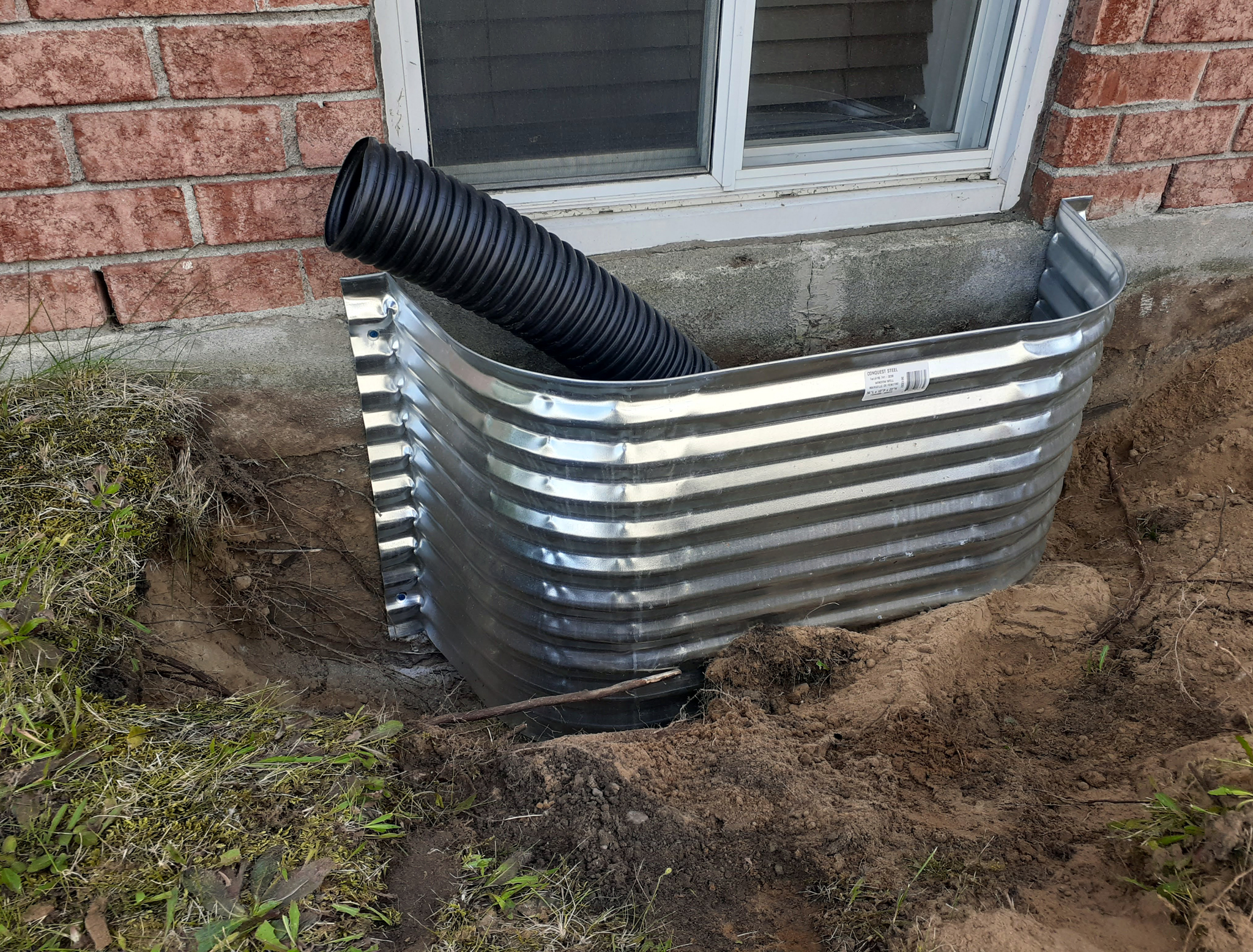
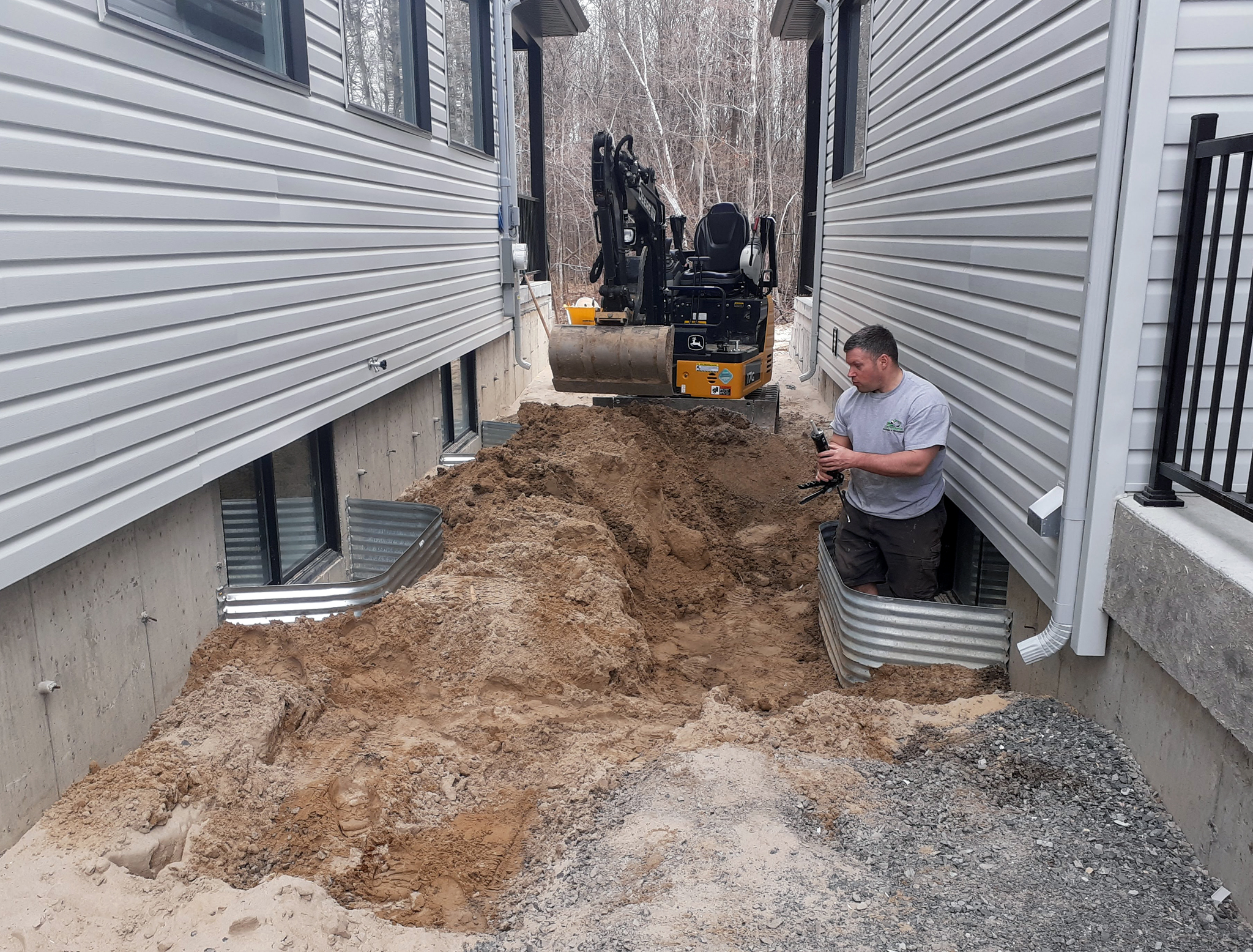
Your home may already have window wells, or the layout of your lot and the height of your foundation may mean you don't need them. A window well is a steel retaining wall attached to the foundation that helps to hold back the soil, raising the ground level on either side and in front of the window while ensuring adequate clearance.
However, if you need to modify your lot layout, first consult the Foundation-Surface Water Drainage section to level the area around the building. Depending on the type of landscaping you plan and the height of your basement windows, you may need to install window wells.
If you need to install a window well, it must be wide and deep enough to provide adequate clearance in front of the window, as it can serve as an escape route in case of emergency. In this case, you must allow at least 550 mm (22 in) of clearance in front of the window.
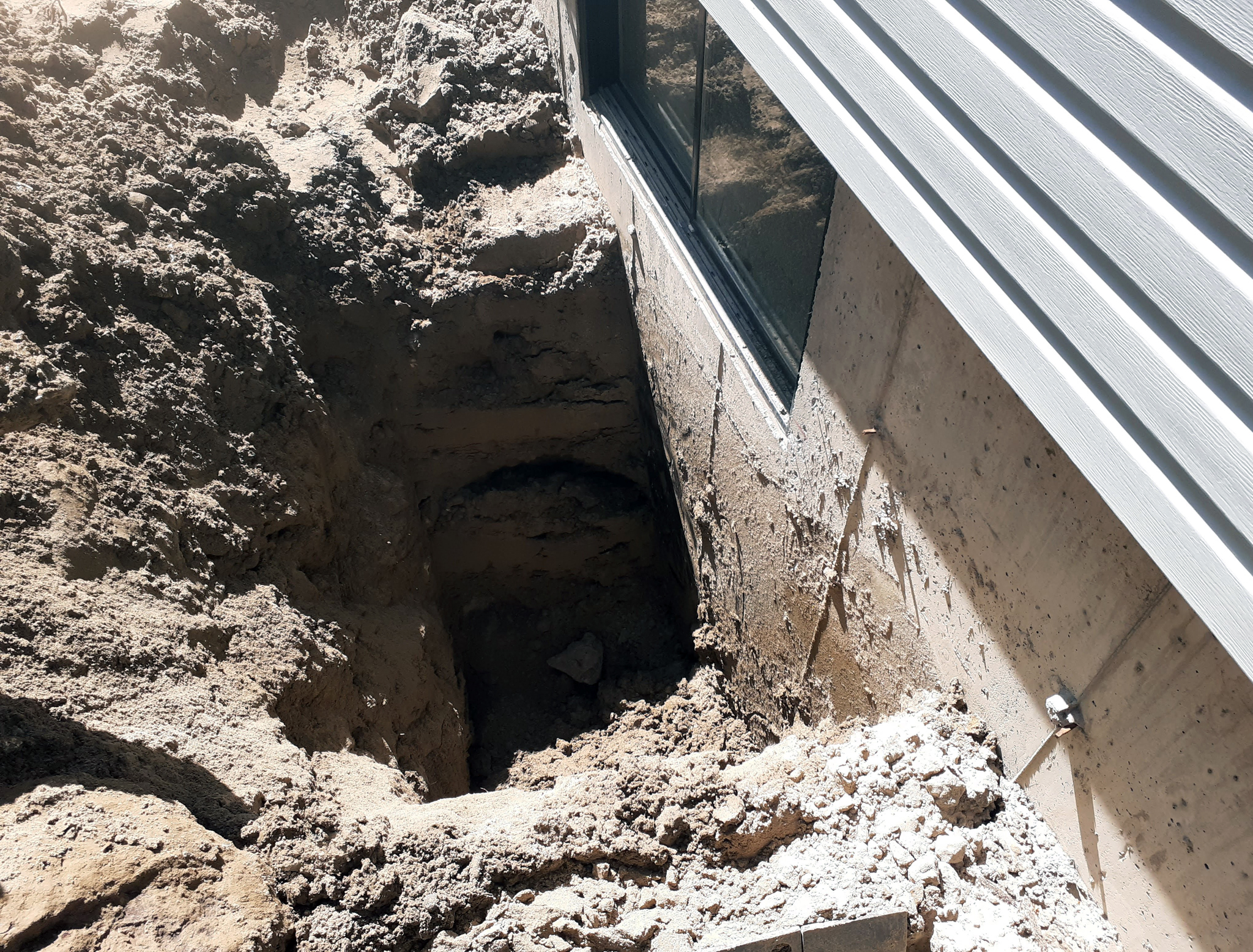
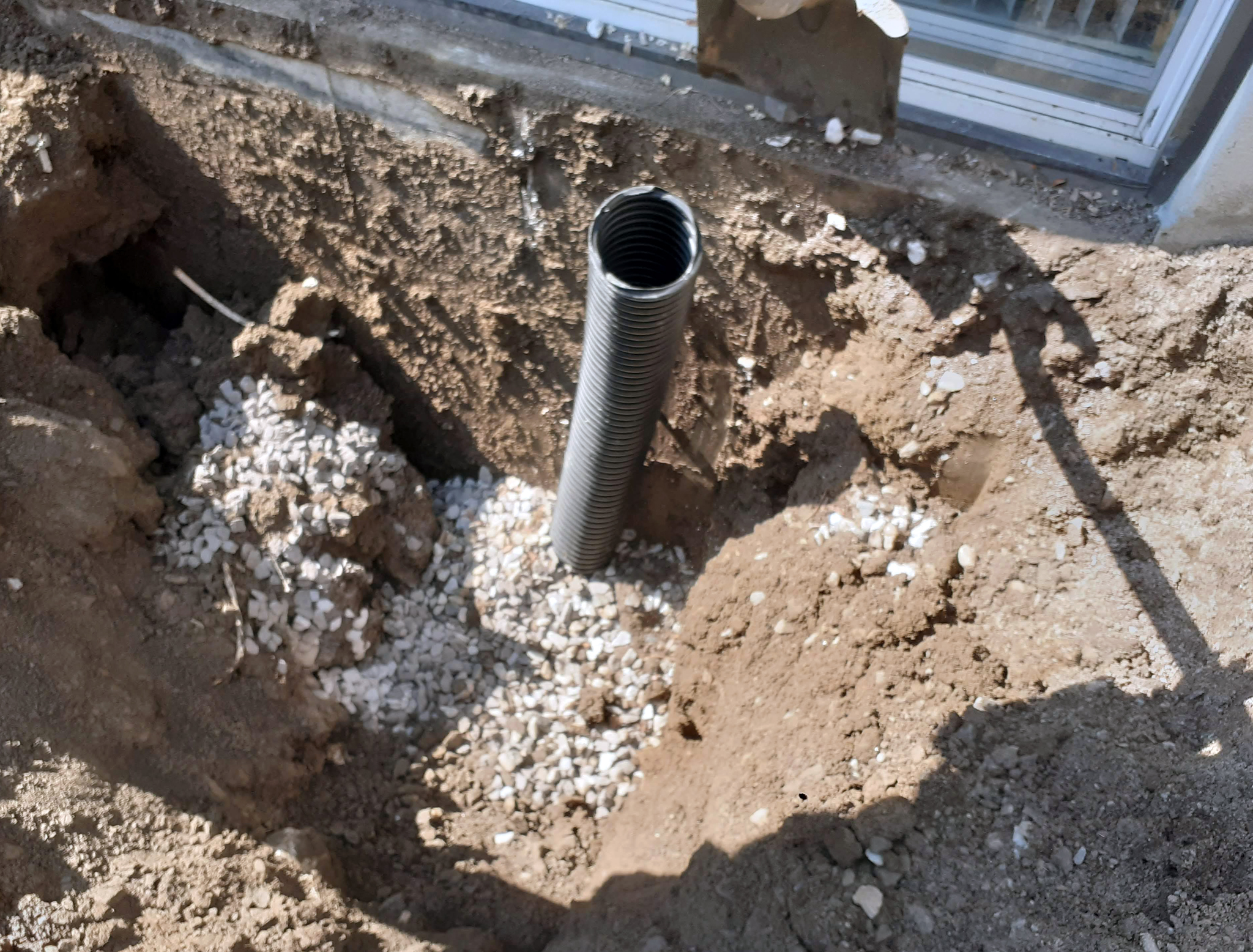
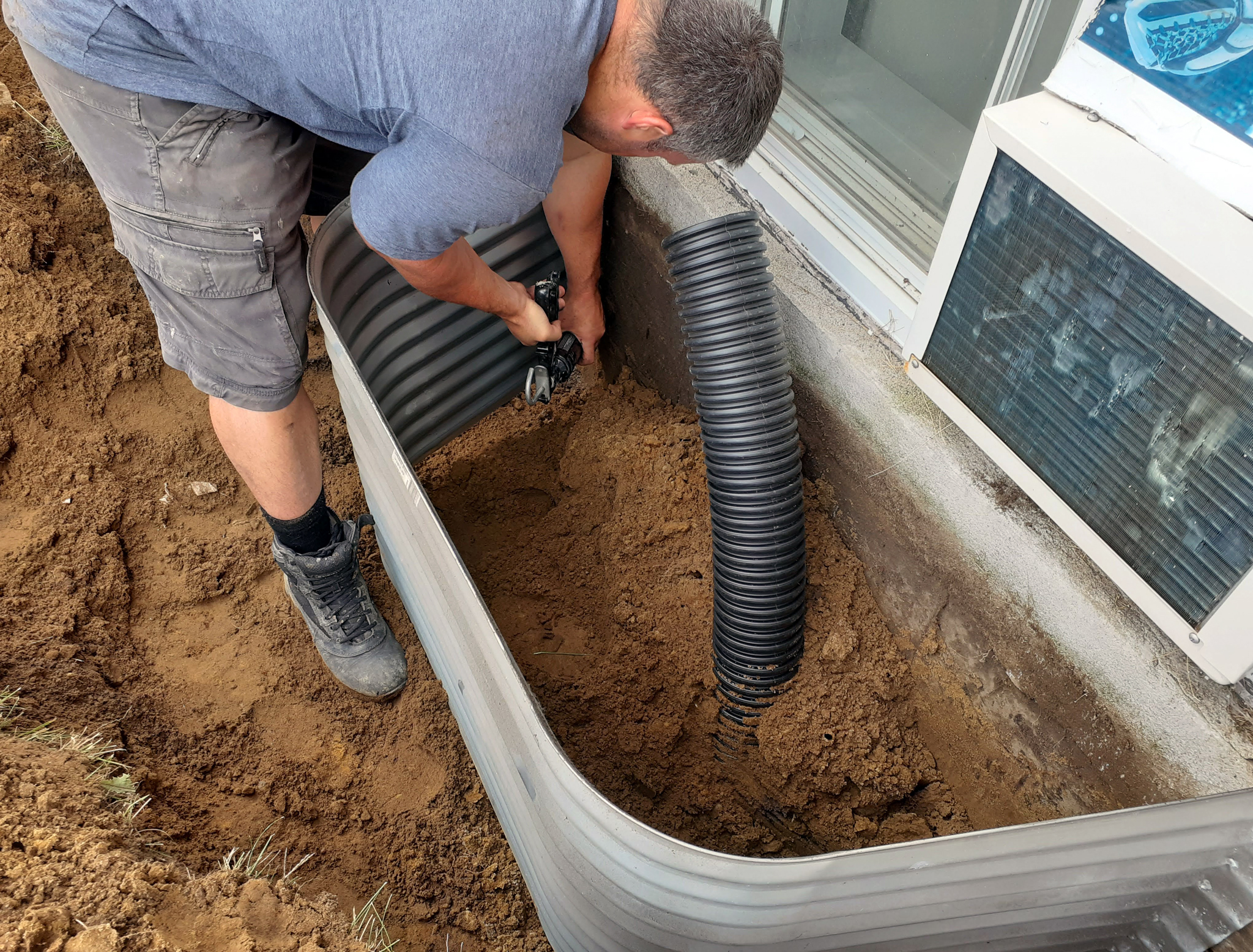
The bottom of the window well should be excavated and filled with granular backfill.
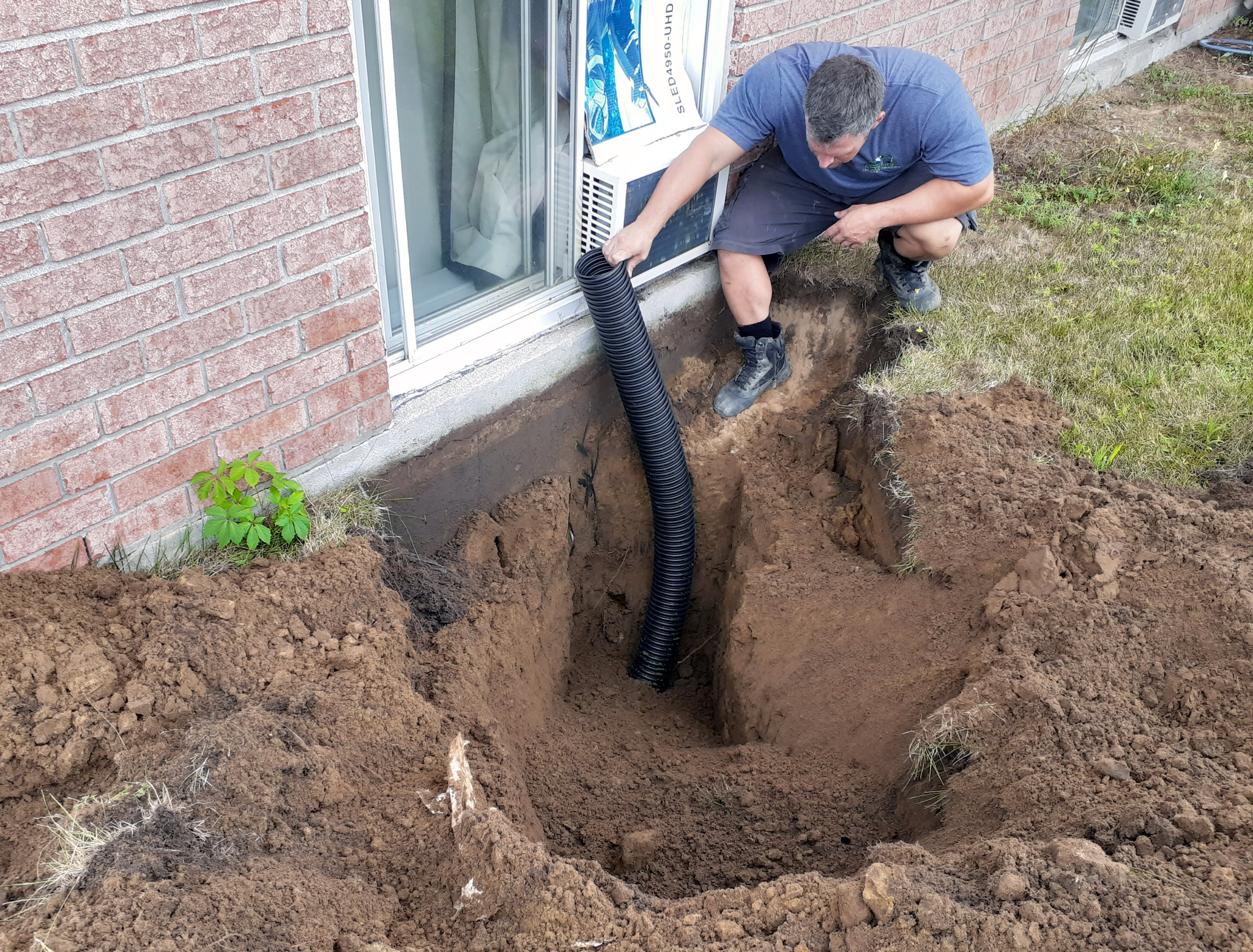
You will also need to excavate a hole up to the top of the French drain that runs around your foundation. Then, you will place a vertical drainage pipe that will carry the water to the building's main drain.
It is recommended to place a grid on top of the drainage pipe to prevent large debris or objects from clogging it.
You must always clear the window wells in winter to ensure the safety of the occupants and to prevent water infiltration. In addition, always remove debris, leaves, and grass clippings, and clear the drain opening to ensure proper drainage.
We can manufacture window wells of all imaginable sizes.

 +1 514 820-5595